Estimation
How to Increase Apartment Value in Switzerland: 2027 Guide
Learn how to increase apartment value through smart repairs, renovations, energy upgrades, and better presentation in Switzerland.
Learn how to increase apartment value through smart repairs, renovations, energy upgrades, and better presentation in Switzerland.
| Apartment improvement | Potential value impact | Cost level | Main consideration |
|---|---|---|---|
| Repairing defects | High value protection | Low–medium | Complete before cosmetic work |
| Painting and lighting | Strong buyer appeal | Low | Use neutral finishes |
| Partial kitchen refresh | Medium–high | Medium | Avoid unnecessary replacement |
| Bathroom update | Medium–high | Medium | Prioritize function and condition |
| Energy improvements | Strong long-term value | Medium–high | Check PPE and subsidy rules |
| Structural changes | Conditional | High | Confirm demand and permission |
| Luxury personalization | Often limited | High | Not suit future buyers |
There is no single answer for every apartment. Essential repairs, energy improvements, and practical kitchen or bathroom updates often have the strongest effect. Start with the defects or future costs that concern buyers most.
Do not use a universal percentage. Compare the apartment’s current value, expected renovated value, total renovation cost, and likely selling expenses. Spend only when the projected result supports the investment.
No. A new kitchen is more likely to add value when the existing one is damaged or dated. An expensive design may not recover its cost if buyers dislike the style or expect a lower property standard.
You can usually complete minor cosmetic work within your private space, subject to the PPE rules. Structural changes and work involving façades, windows, shared pipes, or common systems may require PPE and official approval.
They can reduce operating costs, improve comfort, and lower the risk of future work. Their effect on resale value depends on the upgrade, building condition, and local demand. Major improvements often need to be handled at PPE level.

Louis-Marie Tortiello
contact@relocation-genevoise.ch
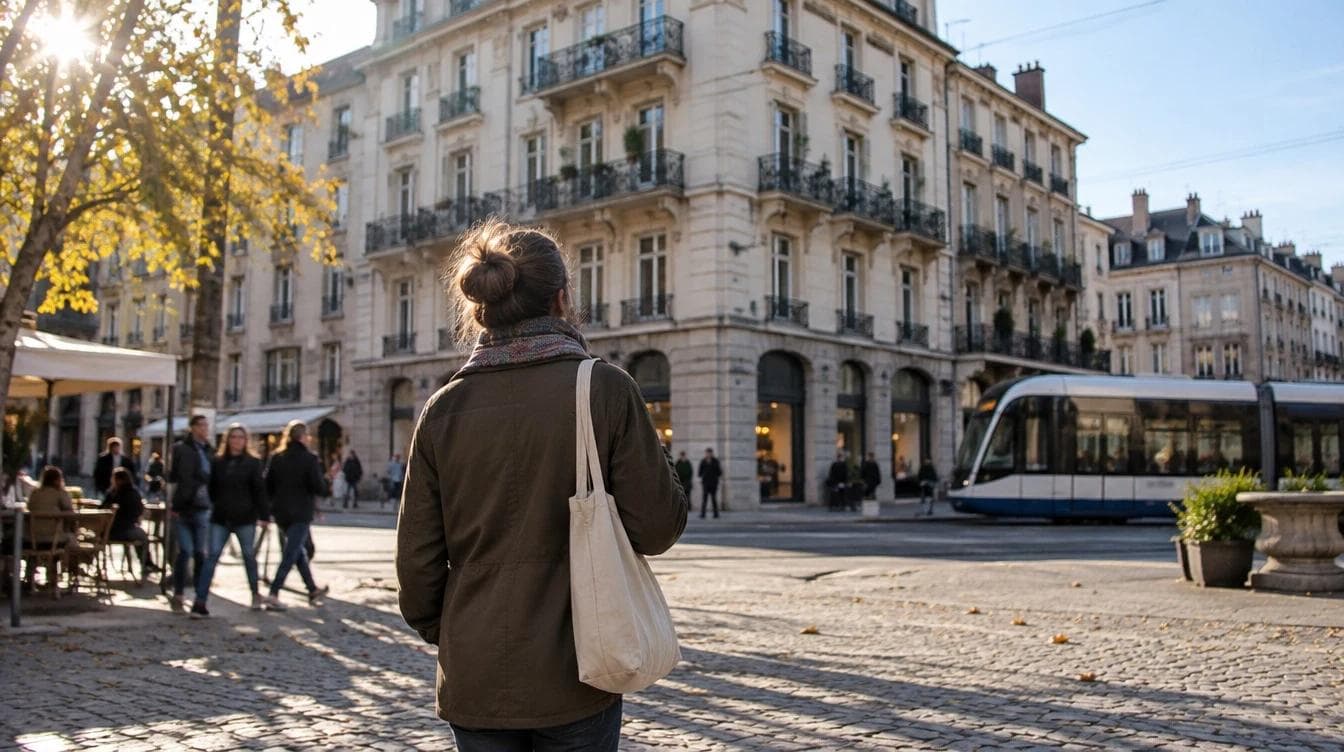
Price per m2, rents, condominium (PPE) charges, time to sell and public transport: a figures-based comparison of Carouge, Plainpalais and Eaux-Vives…
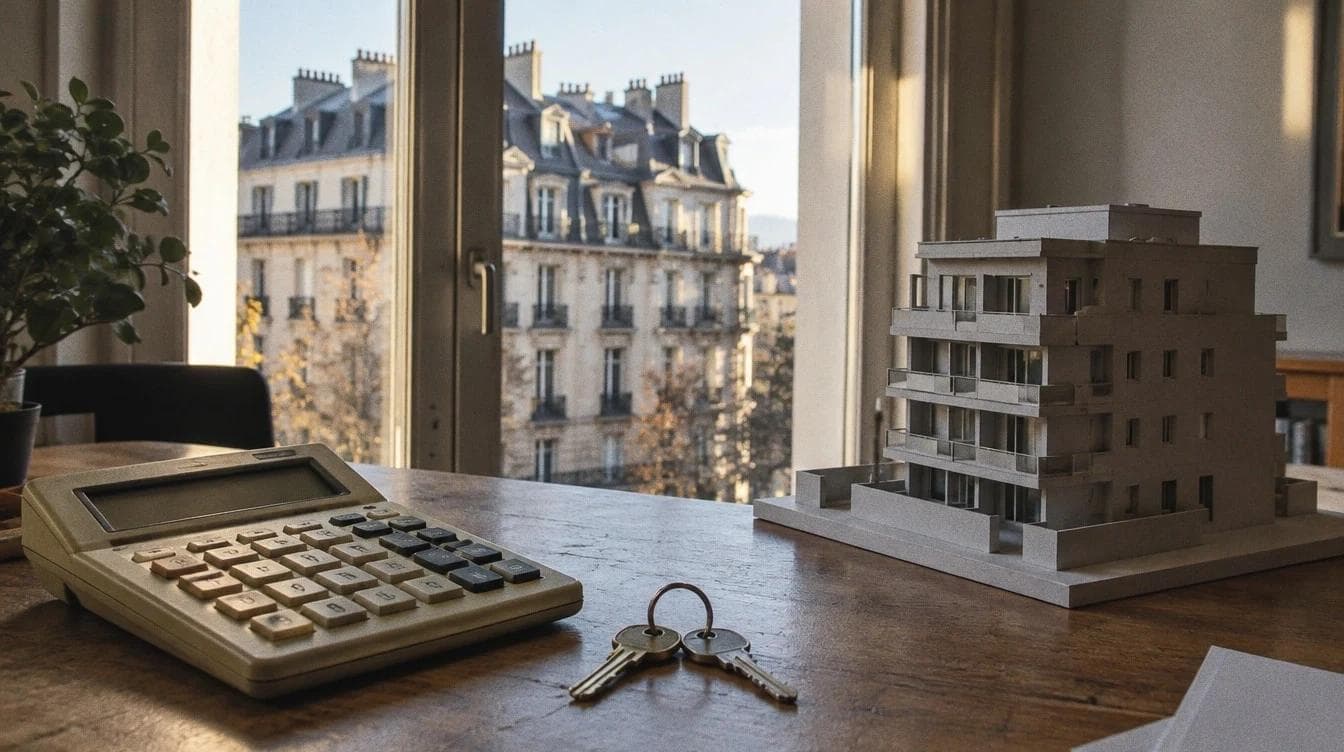
A 3-room condominium (PPE) at CHF 850'000 in Geneva: 4.1% gross, 2.9% net. Step-by-step calculation, leverage effect and variants for Champel, Onex, LDTR…
In Geneva, the rent deposit is capped at 3 months' rent (art. 257e CO). The amount, the form to choose and recovery on moving out: the legal framework…
