Do apartments have resale value in Switzerland? Yes. Apartments in Switzerland can have strong resale value when they are well located, well maintained, energy efficient, and priced correctly.
The strongest resale potential is usually found in areas with steady housing demand, good transport links, strong employment access, and limited supply.
However, resale value is not automatic. Buyers should check the building condition, PPE charges, renovation needs, taxes, mortgage costs, and local market demand before purchasing.
If you are buying an apartment in Switzerland, or thinking about selling one, you have probably asked the same question most buyers and owners eventually ask: will this hold its value?
The honest answer is: it depends. Apartments in Switzerland can and do appreciate over time. But resale value is not built into every property simply because it sits in a country known for financial stability.
This article breaks down what actually determines apartment resale value in Switzerland. It will go through all factors from location and building quality to taxes, costs, and seller strategy. Whether you are a first-time buyer, an expat relocating to Geneva, or a current owner planning your exit, this guide gives you the information you need.
Effects of the Swiss Property Market on Apartment Resale Value
The Swiss property market is shaped by limited housing supply, strong city demand, mortgage rules, interest rates, and local affordability. These factors affect how fast an apartment can be resold and at what price.
Switzerland is known for its stable real estate market. Still, stability does not mean every apartment will gain value. Prices can change by region, building type, and market cycle.
In cities like Geneva, Lausanne, and Zurich, demand often stays strong because housing supply is limited. This can support resale value. However, buyers may also pay a high entry price, which can reduce future resale profit.
Interest rates also play a key role. When mortgage rates rise, fewer buyers can afford to purchase. This can slow demand and put pressure on prices. When rates fall, buyer demand often improves.
Important Point
Resale value is local. National averages do not show what is happening in a specific canton, city, or neighborhood. An apartment in central Geneva and one in a rural town may have very different resale potential.
Resale value is usually stronger in areas with good jobs, public transport, schools, and rental demand. These factors make a property more attractive to future buyers.
Why Local Market Data Matters Before Buying
Buyers should not rely only on asking prices. Recent sale prices, price per square metre, and time on the market give a more realistic view of demand.
Repeated price reductions can be a warning sign. They may show that the original price was too high for the local market.
A local broker can help buyers understand the apartment’s real resale potential. This is especially useful when thinking five to fifteen years ahead, not just about today’s price. Therefore, choosing the right real estate agent is essential for you to make a good plan.
The Importance of Location for Resale Value
Location is usually the biggest driver of apartment resale value in Switzerland. A well-located apartment in a high-demand area is often easier to sell and more likely to keep its value over time.
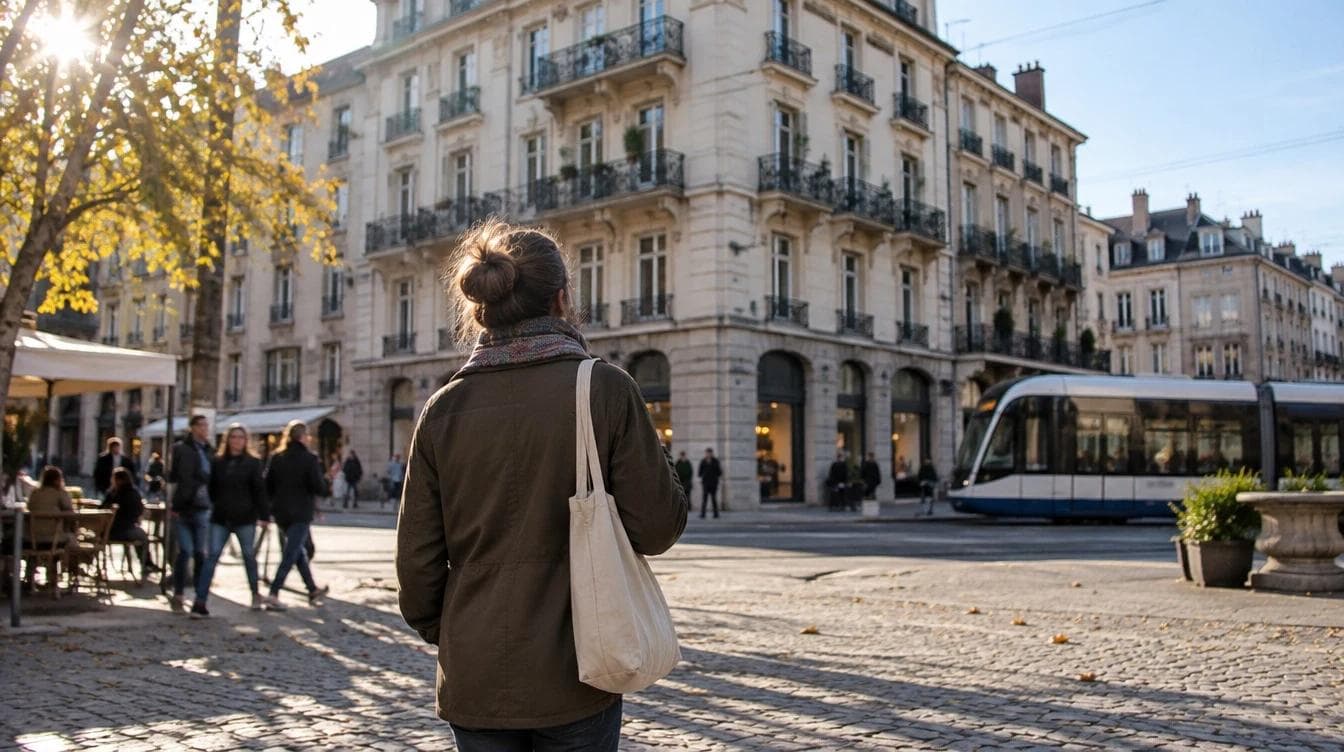
In Switzerland, location means more than the city or postcode. Buyers look at daily convenience. They check access to train stations, tram lines, schools, hospitals, parks, lake areas, and business districts. These factors can affect buyer interest and price per square metre.
Cities like Geneva, Lausanne, Zurich, Basel, and Zug often have strong resale demand. They attract local buyers, international residents, and investors. This wider buyer pool helps support long-term property value.
Geneva is a strong example. New housing supply is limited, while demand remains steady because of its international workforce and cross-border economy. Apartments near the lake, public transport, and key business areas often hold stronger resale appeal.
Still, not every apartment in a popular city performs the same. A noisy flat on a busy road may be harder to resell than a quiet apartment near a tram stop, park, or lake. Buyers should assess the street, building, and immediate surroundings, not just the city name.
Suburban areas can also have strong resale potential. This is especially true when families are priced out of city centres but still want good transport, schools, and services. In the Geneva canton, areas such as Carouge, Meyrin, and Vernier can attract buyers looking for more space and better value.
City Centre vs Suburban Apartments: Which Resells Better?
There is no single winner. Central apartments often attract more buyers and may sell faster. This improves liquidity. However, they also come with higher purchase prices, which can reduce future resale margins.
Suburban apartments can perform well when the area is growing, transport is reliable, and daily services are nearby. These properties often appeal to families, who tend to be serious, long-term buyers.
The better question is not “city centre or suburb?” It is: “Will future buyers still want this location in five to ten years?”
Strong vs Weak Resale Location Signals
Strong resale signals
Weak resale signals
Near major train or tram stops
Limited public transport
Low local vacancy
High vacancy or oversupply nearby
Strong local and expat demand
Demand tied to one employer
Schools, hospitals, parks, and shops nearby
Far from daily amenities
Ongoing infrastructure investment
Aging infrastructure with no clear upgrades
Lake, mountain, or open views
Poor exposure, ground floor, or dark interior views
Near major train or tram stops
Weak resale signalsLimited public transport
Low local vacancy
Weak resale signalsHigh vacancy or oversupply nearby
Strong local and expat demand
Weak resale signalsDemand tied to one employer
Schools, hospitals, parks, and shops nearby
Weak resale signalsFar from daily amenities
Ongoing infrastructure investment
Weak resale signalsAging infrastructure with no clear upgrades
Lake, mountain, or open views
Weak resale signalsPoor exposure, ground floor, or dark interior views
Compare strong and weak resale location signals
What Features Help an Apartment Keep Its Value?
Apartments with practical layouts, good light, efficient energy systems, outdoor space, parking, storage, and well-maintained buildings usually have better resale potential.
Not all apartments appreciate equally, even within the same building. The specific features of a unit — and the building it sits in — are meaningful to long-term resale outcomes.
Layout matters more than total surface area alone. A 68m² apartment with a functional kitchen, logical bedroom separation, and a proper entrance hall often outperforms a 75m² unit with an awkward floor plan where rooms are poorly shaped or accessed through each other.
Natural light, floor level, views, and balcony access rank consistently at the top of Swiss buyer priority lists. Ground-floor or basement apartments are generally harder to resell and typically achieve lower prices per square metre. A south or west-facing balcony with an open sky exposure is a genuine, measurable value differentiator.
Building condition directly affects buyer confidence. A well-maintained facade, updated heating system, solid roof, and clean communal areas tell buyers they are purchasing into a well-run property. For PPE apartments, buyers should always request and review the reserve fund balance, recent meeting minutes, and any planned major renovation works. An underfunded building with large repairs on the horizon is a recognized risk to resale value.
Parking and cellar storage remain strong value boosters, particularly in urban areas where both are scarce. A single indoor parking space in Geneva can add CHF 30,000 to CHF 50,000 or more to buyer perception of value.
Energy efficiency is growing in importance. Swiss building regulations continue to evolve toward higher performance standards, and buyers informed about long-term running costs are asking more questions about heating system type, insulation quality, and energy certification than they did five years ago.
Does Renovation Increase Resale Value?
Renovation can increase resale value when it solves a real problem.
Useful upgrades include a modern kitchen, updated bathroom, better windows, improved insulation, or a newer heating system. These changes improve comfort and reduce future concerns for buyers.
However, expensive renovation does not always mean higher resale profit. Very personal design choices may not appeal to everyone. Some buyers may also prefer to renovate the apartment themselves.
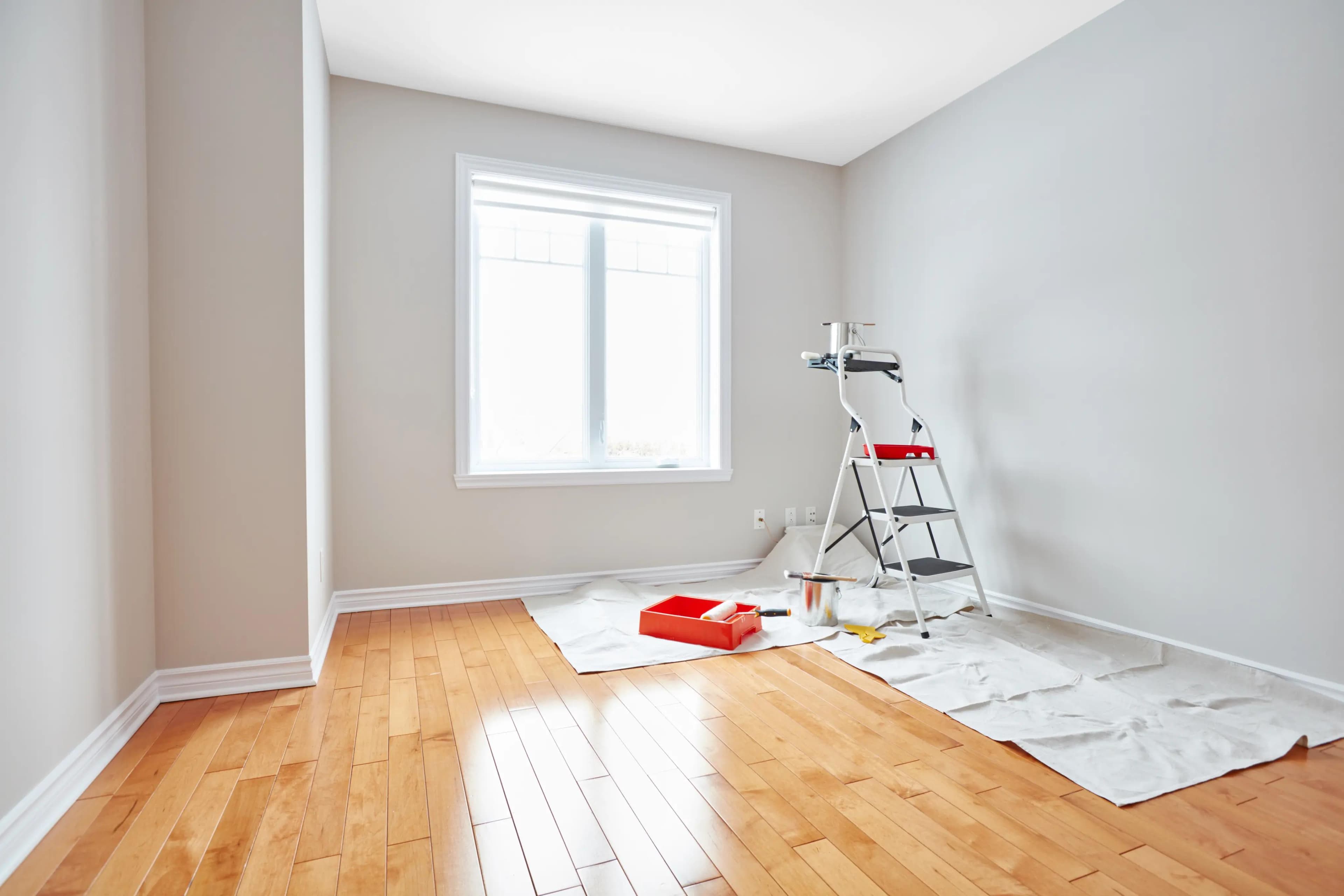
Light cosmetic work is usually worth doing before selling. Fresh paint, better lighting, and small repairs can make the apartment feel cleaner and more move-in ready.
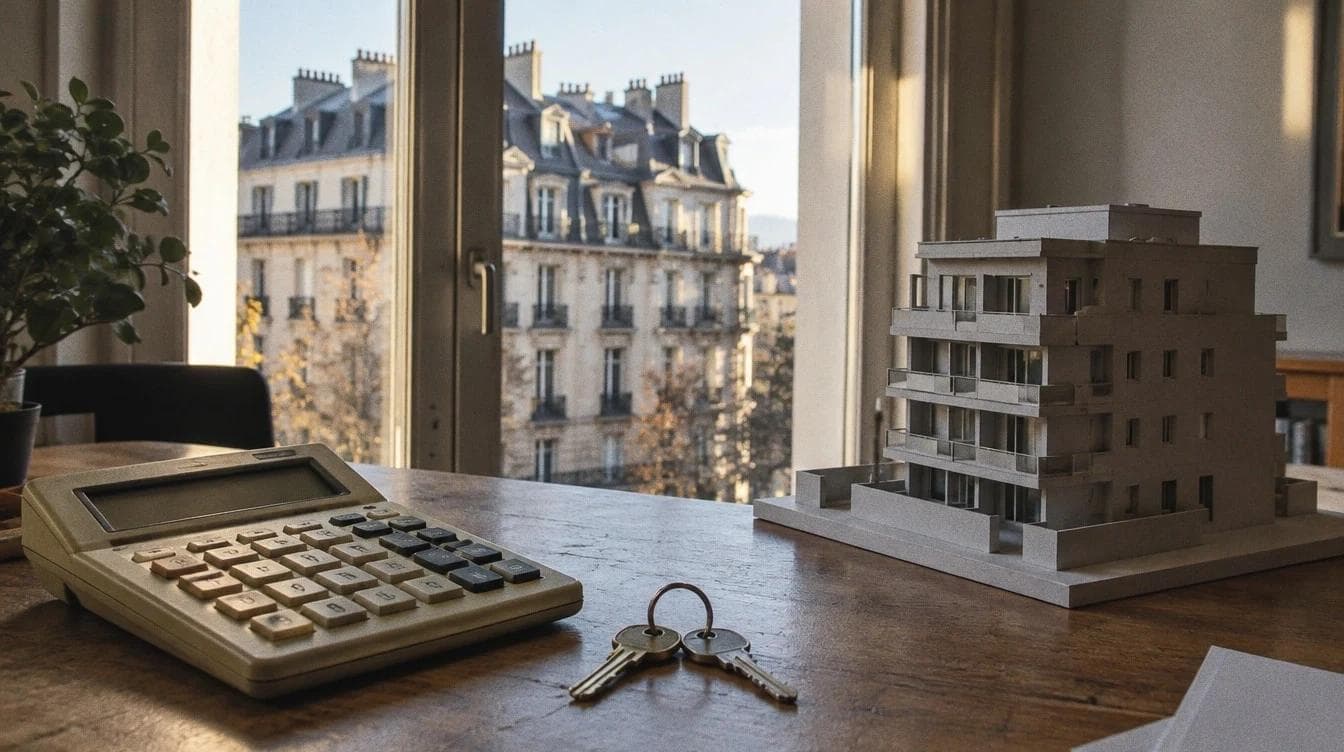
An apartment can gain value on paper, but resale profit depends on costs. In Switzerland, buyers and sellers must consider notary fees, transfer costs, mortgage costs, renovation expenses, taxes, and capital gains tax.
The gap between an apartment's paper gain and the money you actually receive after a sale can be significant. Many sellers discover this at the notary's desk, not before.
Purchase-side costs, which reduce your original cost basis, include notary fees, land registry costs, and in some cantons, a property transfer tax (droits de mutation). Depending on the canton, these costs can total between 3% and 5% of the purchase price.
Capital gains tax is one of the most impactful costs in Switzerland. Cantons generally apply a tax on the gain realized from selling property, with the rate depending heavily on the holding period. Shorter holding periods attract substantially higher rates; long-term owners benefit from progressively lower rates. Geneva applies a regressive capital gains tax (impôt sur les bénéfices et gains immobiliers) that declines significantly the longer the property has been held.
Mortgage early repayment penalties can be a serious cost if you sell before a fixed-rate term ends. These penalties can run into tens of thousands of francs depending on the remaining term and interest rate differential, and should always be factored into any sale timeline.
PPE running costs — regular co-ownership charges, special levies for building works, and contributions to underfunded reserve funds — reduce net return and can affect buyer negotiating position during a sale.
Under the current Swiss framework, owner-occupied properties are subject to imputed rental value taxation (Eigenmietwert), which taxes the theoretical rental benefit of living in a property you own. Owners can deduct mortgage interest and qualifying maintenance costs against this imputed income. This system remains part of ongoing Swiss political debate and may evolve in the coming years.
Why Holding Period Matters in Switzerland
Most Swiss cantons apply a sliding capital gains tax scale tied directly to how long you have held the property. Selling within the first two to five years of purchase can significantly reduce net profit after tax.
Holding for ten years or more typically results in a substantially lower — or in some cantons, eliminated — capital gains tax, making long-term ownership a materially better financial outcome in many situations.
Rules vary considerably from canton to canton. Geneva, Vaud, Zurich, and Zug each apply different rates, thresholds, and exemption conditions. Always consult a canton-specific notary or qualified tax advisor before finalizing a sale timeline.
Before making a decision, ask Immobilière Genevoise to review the apartment's resale potential, expected costs, and local buyer demand in your target area.
What Should Buyers Check Before Buying an Apartment?
Before buying, buyers should check more than the apartment itself. The building, charges, renovation history, neighborhood demand, legal documents, and future resale audience all matter.
A buyer who skips thorough due diligence may purchase an apartment that is difficult to resell. It’s not because of the broader market, but because of factors specific to that building or unit.
Apartment-level checks:
Recent comparable sales in the same building and street (not just asking prices)
Floor level, natural light, and layout efficiency
Noise exposure and position relative to street or courtyard
Balcony, terrace, or outdoor access
Parking space and cellar storage availability
Energy performance label and heating system type
Building-level checks:
PPE meeting minutes from the last three to five years
Reserve fund balance relative to planned or expected works
Roof, façade, windows, and elevator condition
Monthly charges and any notified special levies
Heating system age and any planned upgrade
Location-level checks:
Nearby transport connections and realistic commute times
Proximity to quality schools, daily shops, and healthcare
Local vacancy rates and recent actual sales data
Future zoning changes or major development projects nearby
Mortgage affordability benchmarks relative to local price levels
Red Flags That Can Hurt Resale Value
Some warning signs consistently reduce buyer interest and force sellers into price reductions:
High PPE monthly charges with poor maintenance outcomes
No elevator in a multi-floor building where buyers expect one
Persistent poor light — apartments facing a narrow interior courtyard only
Large planned building works not yet reflected in the asking price
Outdated heating system with no confirmed upgrade plan
No parking in an area where buyers expect and need it
When multiple red flags appear together, even a favorable location cannot fully protect resale value.
How Can Sellers Improve Apartment Resale Value?
Sellers can improve resale value by pricing correctly, presenting the apartment well, fixing visible issues, preparing documents, and targeting the right buyer segment.
The most common seller mistake is pricing based on what was paid plus what was spent — rather than on what the current local market will actually support. Emotional pricing slows the sale, invites aggressive negotiation, and eventually produces price reductions that create buyer skepticism.
Before listing:
Commission a realistic, market-based valuation from a local real estate professional, not a national online calculator
Gather all PPE documentation: meeting minutes, reserve fund statements, charges schedule, and complete renovation records
Declutter and clean every room before professional photography
At listing:
Use professional photography and a precise, accurate floor plan
Lead with energy credentials, transport proximity, outdoor space, and building quality
Write honest descriptions — overselling creates buyer disappointment at viewings, which rarely ends in a sale
Positioning for the right buyer:
Think carefully about who will most likely buy this specific apartment: young professionals, families, retirees, or investors
Local positioning always outperforms national claims. "Three minutes from the tram and five from the lake" is more persuasive than "great Swiss property investment"
How Can Immobilière Genevoise Help Sellers and Buyers?
Immobilière Genevoise is a Geneva-based real estate agency with strong experience in residential property across Geneva and Switzerland.
The team understands Geneva’s neighborhoods, local regulations, PPE ownership, tax considerations, and buyer behavior. This local knowledge helps buyers and sellers make better property decisions.
For buyers, Immobilière Genevoise helps assess the real value of an apartment. The team reviews market demand, resale potential, PPE documents, and long-term property value. This helps buyers look beyond the asking price and choose with more confidence.
For sellers, Immobilière Genevoise provides accurate property valuations, professional listing support, targeted buyer outreach, and negotiation guidance. The goal is to help sellers reach the right buyer at the right price.
Whether you are relocating to Switzerland, investing in Geneva real estate, or planning to sell, a local expert can help you avoid costly mistakes.
Get Expert Advice on Swiss Apartment Resale Value
Whether you are buying or selling in Geneva or across Switzerland, Immobilière Genevoise provides local market assessments, realistic valuations, and expert guidance on resale potential. Speak with the team today.
Conclusion
Apartments in Switzerland can hold their value and grow over time — but only when the purchase is made carefully, with a clear view of location, building quality, demand signals, taxes, and long-term costs. Resale value is not guaranteed by geography alone. It is built by making informed decisions at every stage: when you buy, how you maintain, and how you position when you sell.
Whether you are relocating to Geneva, buying your first Swiss apartment, or planning an exit strategy, the decisions you make at the start shape the outcome at the end.
Before buying or selling, speak with Immobilière Genevoise for a local property assessment, a realistic valuation, and expert guidance on resale potential in Geneva and across Switzerland. Get in touch here.
FAQ
Yes, apartments in Switzerland can hold and grow in value over time, but this is not automatic. Resale value depends on location, building quality, energy efficiency, PPE management, local demand, and how the property is priced. Well-located apartments in cities like Geneva, Zurich, and Lausanne with strong transport links and limited supply tend to perform best over the long term.
Integrity, precision, and professionalism. Local expertise as unique as our clients.Integrity, precision, and professionalism.
Local expertise as unique as our clients.