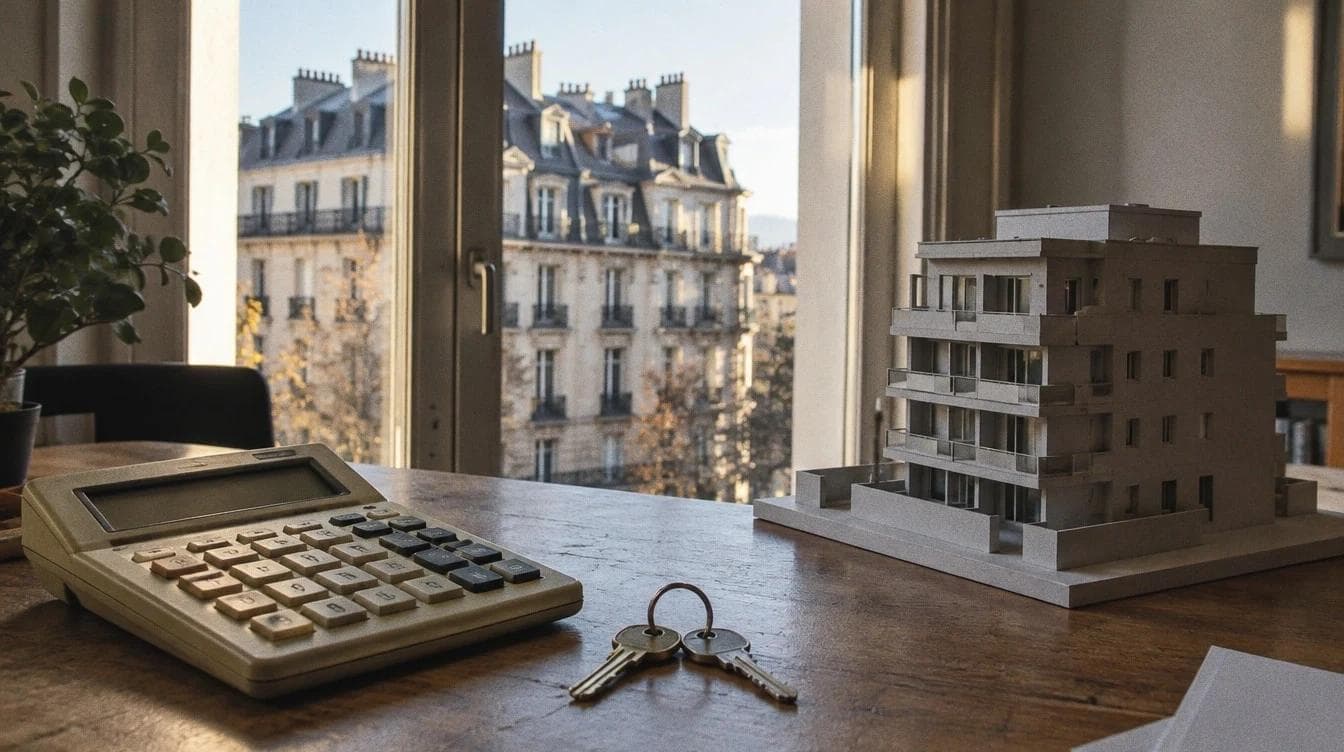
A home appraisal is an assessment of what a property is worth at a specific point in time. It considers the property's location, size, condition, features, comparable sales, and current market conditions.
For Swiss homeowners, knowing that number can matter before selling, refinancing, planning an inheritance, or making another major financial decision.
It matters even more when prices are moving. According to the Federal Statistical Office's latest Residential Property Price Index, Swiss residential property prices rose 0.7% in the second quarter of 2026 compared with the previous quarter. Condominium prices increased 1.6%, while single-family house prices fell 0.4%. This shows why a valuation from several years ago may say little about what your property is worth today.
This guide explains how home appraisal works in Switzerland, when you may need one, the different types available, and what to expect from the process.
What Is a Home Appraisal in Switzerland?
A home appraisal estimates the current value of a house, apartment, or other property using market value and property-specific information. The result gives owners, buyers, or lenders a reference point for making financial decisions.
However, several types of "value" can appear during a Swiss property transaction:
Market value: The estimated amount a property could achieve under normal market conditions.
Appraised value: The value reached through a professional property assessment.
Mortgage lending value: The value a lender uses when deciding how much it is prepared to lend against the property.
Tax value: A separate value used for cantonal tax purposes. It should not automatically be treated as the property's likely selling price.
The distinction becomes important when financing a property. The Swiss National Bank explains loan-to-value ratios using the market value or mortgage lending value of the pledged property. A lender's valuation therefore serves a different purpose from a seller's pricing strategy.
When Do You Need a Home Appraisal?
You do not need to wait until a buyer makes an offer to find out what your property may be worth. A valuation can support several important decisions.
Before Selling Your Home
For most owners, this is the most obvious time to arrange a home appraisal.
An asking price that is too high can reduce interest and leave a listing sitting on the market. Pricing too low can create attention quickly, but it may also mean giving away part of your property's value.
A professional appraisal helps you base the starting price on recent market evidence rather than:
what you paid several years ago
how much you spent renovating
the asking price of a neighbour's property
an emotional idea of what the home is worth
If a sale is your next step, professional support for selling your property in Geneva can connect the valuation with local pricing, positioning, marketing, and negotiation strategy. Immobilière Genevoise's sales process includes market estimates and comparative analysis of local trends.
When Buying or Refinancing
A buyer may agree with a seller on a price, but the lender can reach a different conclusion.
Swiss banks assess the property that secures a mortgage and can use a more conservative value when deciding how much they will finance. FINMA identifies both credit-default risk and property valuation risk as important issues in the Swiss mortgage market and stresses the role of conservative valuations.
If the lender's valuation is below the agreed purchase price, the buyer may need to contribute more equity. That is one reason a realistic property value matters before committing to a purchase.
For Inheritance, Divorce or Financial Planning
Property can also represent a large share of a family's wealth.
An up-to-date valuation can provide a more objective starting point when property forms part of an inheritance, divorce settlement, estate plan, ownership transfer, or broader financial review.
The required level of appraisal will depend on the purpose. A simple market estimate may be enough for personal planning, while a formal situation may require a more detailed independent expert report.
How Does a Home Appraisal Work?
The exact process depends on the property and the type of valuation, but a professional appraisal usually combines property data with current market evidence.
Step 1: Review the Property Documents
The appraiser first needs to understand exactly what is being valued.
Relevant documents may include:
floor plans and living area
land register information
construction date
renovation records
information about extensions or structural changes
condominium or PPE documents where relevant
lease and rental information for income-producing properties
Accurate information matters. An incorrect floor area or missing renovation history can affect the final estimate.
Step 2: Assess the Property and Its Condition
Two homes with the same number of rooms do not necessarily have the same market value.
A professional assessment considers factors such as:
municipality and micro-location
living and usable area
floor and layout
building age and condition
renovation quality
energy efficiency
orientation and natural light
view
balcony, terrace, or garden
parking
noise and accessibility
legal rights or restrictions
In Geneva, micro-location can make a major difference. Two apartments of similar size in the same wider neighbourhood may attract different prices because of their floor, outlook, building quality, condition, or immediate surroundings.
Step 3: Choose the Right Valuation Method
The method should fit the property. A hedonic or comparative valuation uses real market data and property characteristics to compare a home with similar properties. UBS describes hedonic valuation as a statistical method based on real sales data and notes that it is particularly suitable for standard properties such as condominiums and single-family homes.
Income-producing properties may instead require an income-based or discounted cash flow approach. More unusual properties can require another method or a combination of methods.
A good appraisal does not stop at the property's physical features.
The appraiser also considers what comparable properties are actually achieving in the current market. This is different from simply checking property portals.
An asking price tells you what a seller hopes to receive. A transaction price tells you what a buyer was prepared to pay.
That distinction matters when setting a realistic value.
Step 5: Determine the Final Value
Once the property and market data have been reviewed, the appraiser can determine an estimated market value or valuation range.
Depending on the service, the result may also explain:
the information used
comparable properties
the valuation method
important assumptions
strengths and weaknesses affecting value
recommendations before a sale
The goal is not to produce the highest possible number. It is to produce a number that can be supported by the market.
Which Type of Home Appraisal Do You Need?
Not every property decision requires the same level of appraisal.
1. Online Home Appraisal
An online valuation can be useful when you want a quick indication of your home's value.
It works best for standard properties where enough comparable market data exists. It can help you check whether your property may have increased in value or decide whether selling is worth exploring.
The limitation is context. An algorithm may not fully understand an exceptional view, a high-quality renovation, an unusual floor plan, or a property's exact position within a Geneva micro-market.
2. Estate Agent Appraisal
An estate agent appraisal goes beyond an automated estimate by combining market data with local knowledge and an understanding of buyer demand.
This is particularly useful before selling because value and sales strategy are connected. The question is not only "What is this property worth?" but also "At what price should it enter today's market?"
3. Independent Expert Appraisal
A detailed independent appraisal may be more appropriate when the valuation must serve a formal financial, legal, or ownership purpose.
The report is usually more comprehensive, which is why it also costs more than a simple online estimate.
4. Bank or Mortgage Valuation
A bank valuation answers a different question.
The lender wants to understand the property's value as collateral for a loan. It therefore applies its own risk and valuation rules.
As a result, a bank's figure does not have to match the seller's asking price or an estate agent's estimate. In Switzerland, lenders generally work with conservative property values when calculating mortgage exposure.
Online or Professional Home Appraisal: Which Is Better?
Neither option is automatically better. They solve different problems.
Use an online valuation when you:
want an initial price range
are at the early planning stage
want to track approximate changes in value
own a relatively standard property
Choose a professional home appraisal when you:
are preparing to sell
own a luxury or unusual property
need a value for financing
are dealing with inheritance or divorce
have completed major renovations
will make an important financial decision based on the result
A simple rule works well: use an online estimate to get oriented, then use local expertise when the number will drive a transaction.
If that is where you are now, you can request a professional property valuation in Geneva. The service combines local price analysis, comparable properties, an on-site assessment, and advice tailored to the property.
How Much Does a Home Appraisal Cost in Switzerland?
There is no single national fee for a home appraisal in Switzerland. The price depends on the property, region, purpose, and depth of the assessment.
As a broad guide:
Online valuation: often free
Estate agent appraisal: may be free, particularly for owners considering a sale
Detailed expert report: normally paid
PostFinance currently estimates that an owner-occupied property valuation by a certified expert costs around CHF 800 to CHF 1,500, although prices vary by property and region. It also notes that online tools are generally free and provide more approximate guidance.
More complex properties or valuations requiring detailed reports can cost more. Instead of choosing purely on price, consider what you need the valuation to achieve.
How Should You Prepare for a Home Appraisal?
You do not need to renovate your entire home before an appraisal. You do, however, want the appraiser to have accurate information.
Before the appointment:
gather floor plans and relevant property documents
prepare records of major renovations
list improvements with approximate dates and costs
provide details about extensions or structural changes
document energy upgrades
make all rooms and spaces accessible
mention valuable features that may not be obvious
be transparent about known defects or unfinished work
If you are preparing for a sale, it may also be worth reviewing which improvements can increase your home value before selling. Not every renovation delivers the same return, so the goal should be to improve what buyers actually value.
How Immobilière Genevoise Can Estimate Your Home Value
National indices can tell you where Swiss property prices are moving. They cannot tell you what one specific apartment in Eaux-Vives, a villa in Cologny, or a townhouse elsewhere in Geneva should sell for.
A useful Geneva appraisal needs to go deeper. It should consider the commune, neighbourhood, street, recent comparable properties, scarcity, condition, buyer demand, and the home's individual features.
Immobilière Genevoise combines local market analysis, comparable property research, and a property-specific assessment. The aim is not only to estimate your property's value, but also to give you a realistic basis for your next decision. The good news is that its property valuation service is free of charge.
Know What Your Geneva Property Is Really Worth
Get a local, data-backed valuation before you sell or make your next property decision.
FAQ
There is no standard timeframe for every appraisal. An online estimate may be available almost immediately, while an on-site professional appraisal and detailed report take longer. Timing depends on the property, the amount of documentation involved, and the purpose of the valuation.
There is no fixed schedule. Consider a new home appraisal before a sale, purchase, refinancing, inheritance, or other major financial decision. A fresh valuation may also make sense after substantial renovations or when local market conditions have changed significantly.
No. A home appraisal focuses on value. A home inspection focuses on the property's physical condition, including defects and potential repair issues. Condition can influence the appraised value, but the two services have different purposes.
Yes. An estate agent normally focuses on achievable market value and selling strategy. A bank considers the property as security for a mortgage and applies its own valuation and risk criteria. The two figures can therefore differ.
Start by checking that the property details are correct. Ask what comparable properties and market evidence were used, and provide documentation for renovations or features that may have been overlooked.
Conclusion
A home appraisal gives you more than a number. It gives you a stronger basis for deciding whether to sell, refinance, negotiate, or simply hold your property.
Online tools can provide a useful first estimate, but important decisions call for current local data and professional judgment. If you own property in Geneva, contact us for a free local property valuation. Our team can help you understand where your home stands in today's market before you make your next move.
Whether you are selling or looking to rent out your property, our Geneva team is here to help.Whether you are selling or looking to rent out your property, our Geneva team is here to help.